Naming the feeling.
On emotion, experiential, and a wheel that changed how we brief.
Like a lot of people, I'm not always good at naming how I feel.
I can tell when something has landed. I know when a room has shifted, when a piece of music opens something up, when I've walked out of a place different than I walked in. Putting the exact word to it is the hard part. For most of my life the vocabulary just wasn't there.
Then I came across an emotion wheel — the kind therapists use to help people get specific about what they're feeling. It did something simple and genuinely useful: it gave me language for things I could sense but couldn't name. Not just “good,” but content, or proud, or hopeful. Not just “off,” but disillusioned, or startled.
That stuck with me, because naming feeling is most of what we actually do. Everyone in experiential — and advertising, and storytelling — talks about triggering emotion, moving people, making them feel something. But “make them feel something” is not a brief. If we're serious about emotion, we should be able to say precisely which one we're after. So we took the wheel into the studio and made it ours.
The value is all in the nuance. Feelings that sound alike are often worlds apart. Awe and amazement sit side by side on the wheel, yet awe wants scale and reverence where amazement wants surprise and delight. Content and trusting both read as calm, but one says “this is enough” and the other says “I feel safe.” Pick the wrong neighbour and everything downstream — the space, the pacing, the script — quietly bends the wrong way.
Getting it right matters more in experiential than almost anywhere else, for two unforgiving reasons.
It is expensive. Venue, build, crew, permits, media — all committed to a single moment in the real world, where every decision carries real weight. And you get one chance. It happens live, then it's gone: no edit, no re-run, no second take with the same audience. There is no A/B test for a night that only happens once. Being specific about the feeling is how you give yourself the best odds.
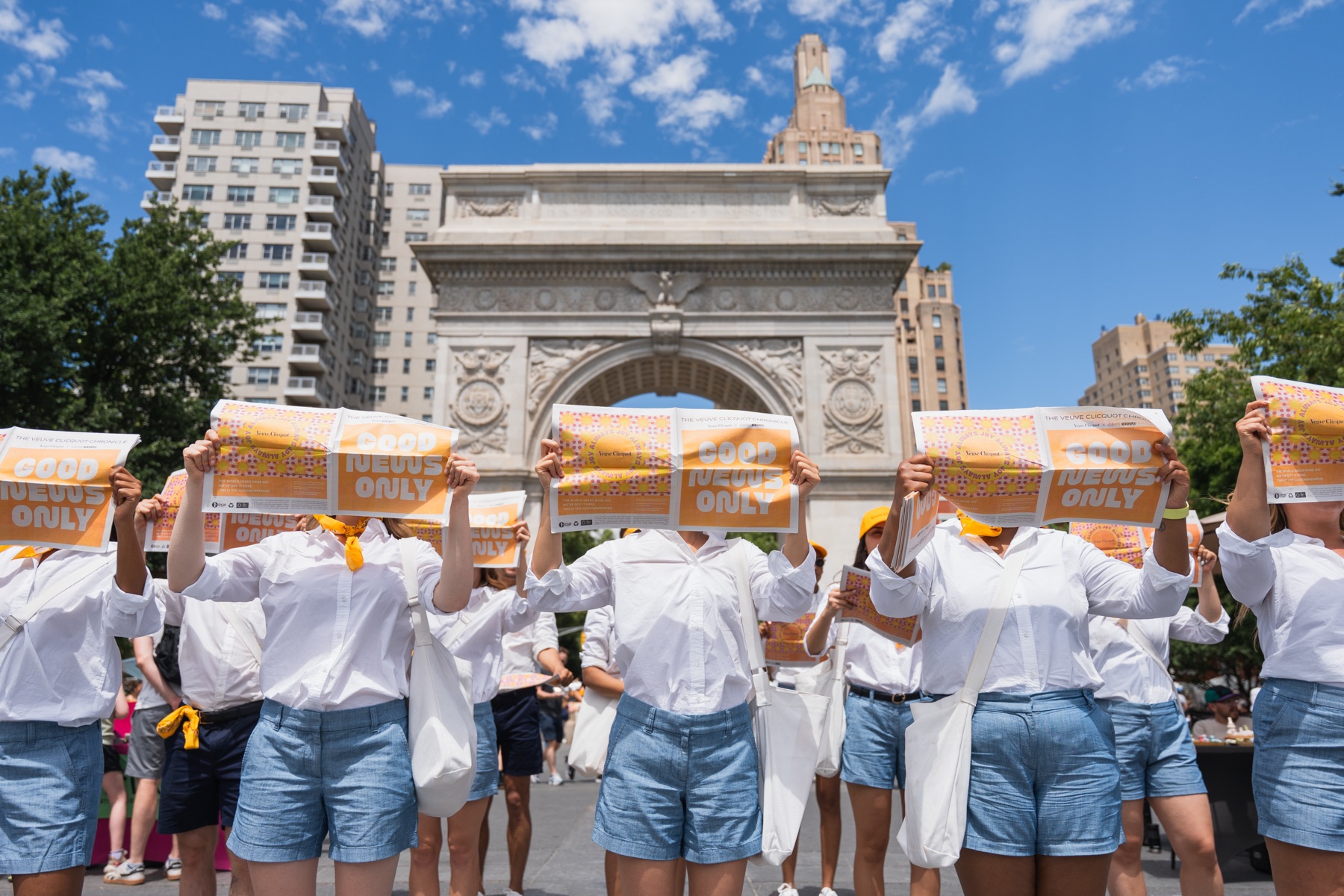
Naming the feeling is the start. The next question is shape. Emotion isn't a flat line you hold across a room; it has an arc. We chart the feeling at every stage and engineer one crescendo the whole experience bends toward — a single peak — then let people linger in the afterglow.
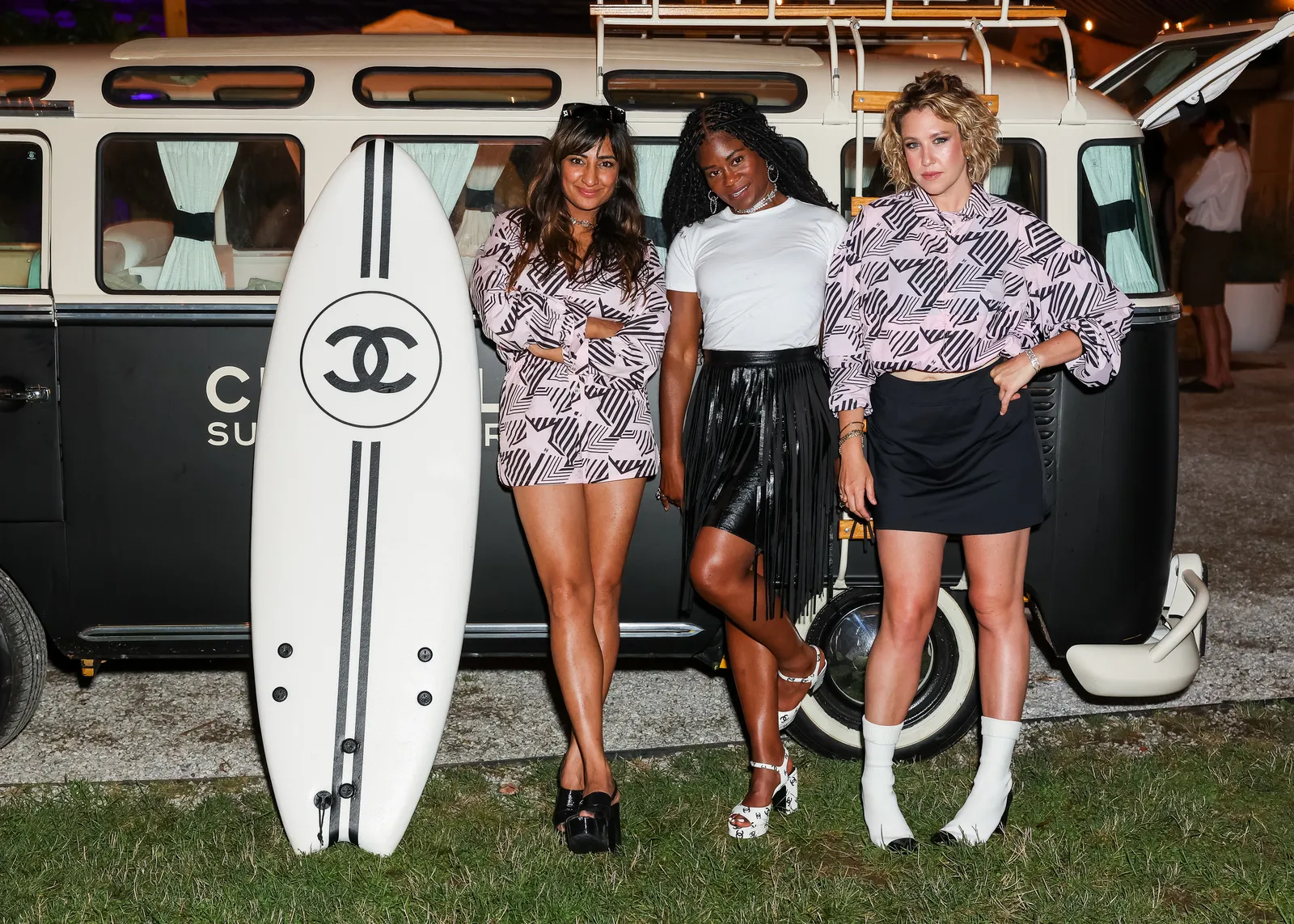
And then there's where the feeling lands. A feeling in the moment is not the same as a feeling that lasts. We think about experiential success as a ladder. At the bottom, people show up. Climb, and they share it, remember it, find it meaningful, leave changed. At the very top is the rarest rung of all.
Serendipity is value found in what wasn't sought, but needed.
You can't guarantee that top rung. Nobody can promise serendipity. But you can engineer the conditions for it — by being specific about the feeling, deliberate about its shape, and honest about how high you're trying to climb. Start with the right word, and everything after it has something true to aim at.
That's the whole job. That's what it means, for us, to engineer serendipity.